
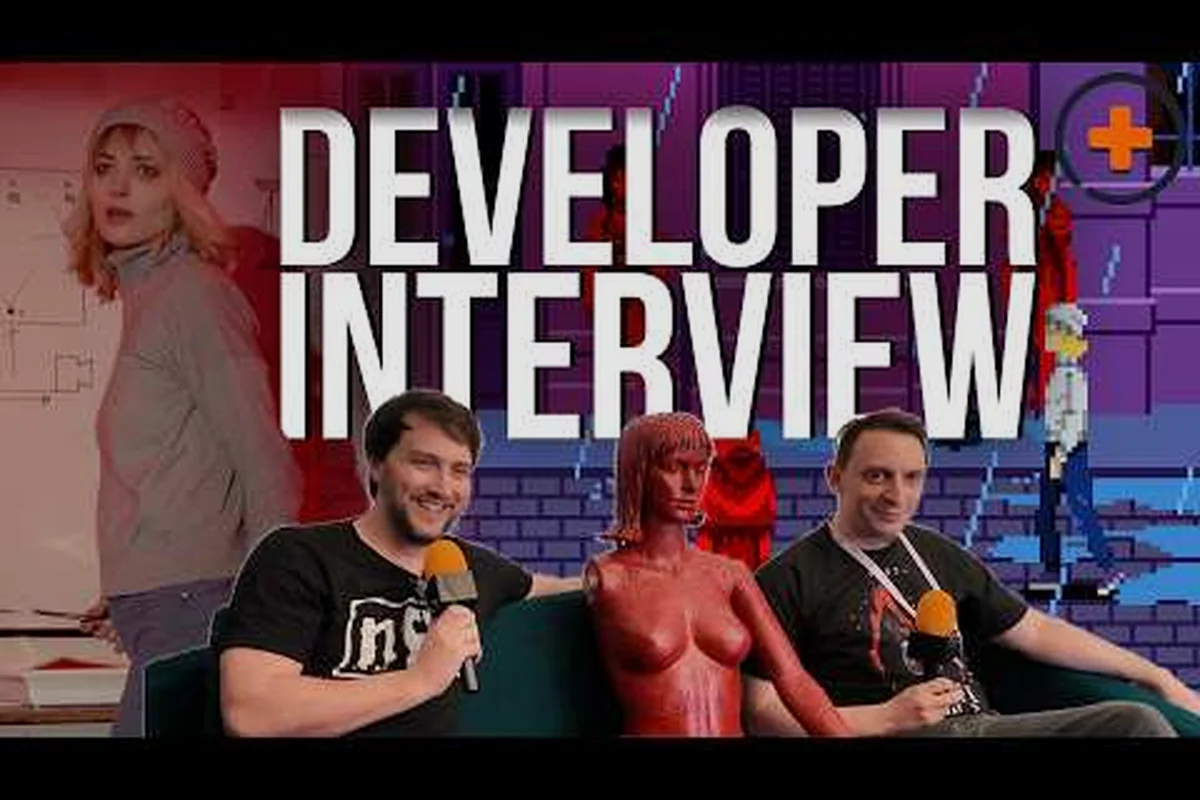
The question tenebris somnia is it real has circulated across indie horror communities ever since the project first appeared on Steam, and the short answer is yes, this game is real, fully playable, and now scheduled across every major platform. Tenebris Somnia is a survival horror adventure built in a retro 2D aesthetic that fuses 8-bit exploration with professionally shot live-action sequences, creating a dual-reality experience unlike anything else in the indie space. The game's tagline, "What if they aren't just nightmares?", hints at the deeper mystery underneath Julia's story, and the development team has used the years since first reveal to refine every layer of that mystery. According to the official Tenebris Somnia Steam page, the title has been confirmed for PlayStation 5, Nintendo Switch 2, Xbox Series, Steam, and GOG, with pre-order physical editions handled by Lost in Cult, making its reach considerably broader than a typical indie debut.
The Core Question: Is Tenebris Somnia Actually Real?
The confusion around tenebris somnia is it real usually comes from the title's Latin phrasing, which translates roughly to "dark dreams," and from the unsettling way the game blurs Julia's waking apartment scenes with crimson-soaked nightmare corridors. Players encountering the project for the first time sometimes assume it is an ARG, a mock trailer, or an elaborate fan film because the live-action footage looks far too cinematic for an indie pixel-art release. In reality, Tenebris Somnia is a legitimate commercial product from Buenos Aires-based studio CGM Workshop, published by New Blood Interactive, with a multi-year development arc that began long before the first public demo.
The studio's pitch centered on a simple but bold idea: take the atmospheric dread of Silent Hill-era survival horror, render the dream world in 8 or 16-bit pixel art, and interrupt it with full live-action cutscenes featuring real actors, practical effects, and a film crew with genuine festival credits. That pitch became the spine of the entire project, and every subsequent build has stayed faithful to the original concept rather than pivoting to a safer formula.
What "Real" Means in This Context
When a community asks tenebris somnia is it real, they are usually asking one of three different things. The first is whether the project is a real, shippable game rather than vaporware. The second is whether the horror events depicted are based on any real mythology, crimes, or historical events. The third is whether the live-action footage is genuinely filmed on practical sets with professional actors rather than rendered, AI-generated, or stock footage. All three answers can be confirmed with documented evidence.
-
Real product: The title has a stable Steam app ID (2121510), a publisher (New Blood Interactive), a confirmed multi-platform release window, and physical editions announced through Lost in Cult.
-
Real production crew: The cinematics are handled by an award-winning Argentine film crew, which is why the lighting, framing, and practical gore look comparable to professional short films rather than amateur video.
-
Real horror influences: The story draws heavily from documented occult symbolism, classical nightmare folklore, and personal trauma themes that the developers have openly discussed in interviews, rather than from any single "true" event.
Tenebris Somnia Based On: The Real Influences
Discussions of tenebris somnia based on what tends to land on three pillars: classic survival horror design, real Latin American folklore, and the lived experience of the studio's lead creators. The 8-bit exploration sections pull their structure directly from late-1990s survival horror, especially the fixed-camera, item-combining, careful-resource-management loop that defined Silent Hill and Resident Evil. Players will notice the same pattern of locked doors, sparse ammunition, cryptic notes, and disturbing audio cues that escalate tension without ever relying on jump scares alone.
The live-action sequences, by contrast, draw from a completely different creative tradition. The Argentine film crew behind them cites horror anthology cinema, giallo-style lighting, and practical-effects-driven cult horror as their primary touchstones. Rather than green-screen Julia against digital sets, the team builds physical sets, uses latex prosthetics for creature work, and lights each shot to evoke 1970s and 1980s European horror cinema. The combination is intentional: the pixel world represents Julia's psychological distance from trauma, while the filmed world represents trauma's raw, immediate impact.
| Influence Category | Specific Sources | How It Appears in Tenebris Somnia |
|---|---|---|
| Survival horror game design | Silent Hill, Resident Evil, Clock Tower | Limited inventory, fixed-camera exploration, cryptic notes, scarce resources |
| 8-bit / 16-bit aesthetic | NES-era adventure games, MS-DOS horror | Pixel-art apartment, key-item puzzles, simple UI, retro color palette |
| Live-action horror cinema | Italian giallo, Argentine cult horror, anthology films | Practical effects, chiaroscuro lighting, real actors, short-film cinematography |
| Folklore and occultism | Latin American dream folklore, classical grimoire symbolism | Occult books in the apartment, ritual objects, recurring sigils |
| Personal narrative | Studio lead's documented experiences with grief | Julia's post-breakup emotional arc, recurring dream motifs |
The Airdorf Connection and Studio Backstory
Any conversation about tenebris somnia airdorf quickly reveals how the project connects to the broader indie horror scene. Airdorf, the pseudonym of independent horror developer Ariel Diaz, served as executive producer on Tenebris Somnia, bringing his audience from the cult classic FAITH: The Unholy Trinity into contact with CGM Workshop's cinematic pipeline. The collaboration gave the CGM team a built-in audience familiar with retro horror, while Airdorf's involvement offered creative feedback rooted in decades of player feedback from his own projects. According to the Tenebris Somnia New Blood Interactive page, this collaboration is explicitly credited, with Airdorf listed as executive producer rather than sole creative lead, a distinction that helps explain why the project feels stylistically distinct from his solo work.
The tenebris somnia backstory of the studio itself is worth knowing. CGM Workshop is a small Buenos Aires team that has historically worked in film production, music videos, and short-form horror content. Tenebris Somnia represents their pivot into interactive entertainment, and the studio has been candid about treating the game as a long-form horror film broken up by interactive dream sequences. This background is why the live-action segments feel weightier than typical game cutscenes: the crew was already producing festival-caliber short horror before they ever thought to make a game.
Tenebris Somnia Inspiration: From Nightmare to Gameplay
The tenebris somnia inspiration for the dual-reality structure reportedly came from the team's frustration with the way most horror games handle the gap between "playable" and "cinematic" content. Many horror titles deliver a long interactive stretch followed by an unplayable cutscene that explains the story, which often breaks immersion precisely when tension should peak. The CGM team flipped that pattern by making the playable sections feel slightly unreal and the filmed sections feel uncomfortably real, mirroring how trauma survivors often describe their memories as more vivid than their waking life.
This design choice also reflects the developers' own writings about how grief and post-breakup trauma operate. Julia's journey to drop off her ex-boyfriend's apartment key is, on the surface, a mundane errand, but the apartment itself is described in preview coverage as full of "broken glass, anomalous red gloop and creepy occult books," per the Rock Paper Shotgun preview. The ordinary and the impossible collide in the same space, which is precisely the emotional logic of intrusive trauma memories.
How Inspiration Became Mechanic
The team translated those inspirations into very specific mechanical choices. Pixel sections use a bright, almost cartoonish color palette to make the world feel like a memory softened by time. Filmed sections use desaturated, high-contrast lighting and practical blood effects to make every frame feel immediate. Sound design bridges the two: ambient hum and diegetic noise dominate the pixel scenes, while the filmed scenes lean on silence punctuated by sharp practical-foley hits. Even the save system reportedly reinforces the duality, with recovery items placed in locations that narratively correspond to Julia's emotional checkpoints rather than arbitrary checkpoints.
| Mechanic | Dream / Pixel Layer | Live-Action Layer |
|---|---|---|
| Visual palette | Saturated 8/16-bit colors | Desaturated, high-contrast cinematic |
| Camera | Fixed angles, top-down exploration | Hand-held and locked-off cinematic shots |
| Audio | Ambient hum, chiptune motifs | Silence, practical foley, diegetic noise |
| Player agency | Full movement, inventory, puzzle solving | No direct control, scripted narrative |
| Tone | Uncanny, slightly unreal | Raw, immediate, visceral |
Tenebris Somnia Timeline: From First Reveal to Multi-Platform Launch
The tenebris somnia timeline stretches across several years of public development, including demo cycles, festival appearances, platform announcements, and the eventual confirmation of localized releases. The project first entered public awareness through a Steam page that emphasized the dual-visual hook, then built a sustained presence at indie showcases and horror conventions. The May 27, 2026 Steam news update, as reported in the Steam News archive for Tenebris Somnia, confirmed that the team demoed a Japanese localization for the first time at BitSummit PUNCH in Kyoto, with day-one Japanese support confirmed alongside a same-day demo update containing new content.
This timeline matters because it shows a project that has weathered the typical indie horror development cycle: early reveal, demo iteration, community feedback loops, publisher partnership formalization, and platform expansion. The fact that physical editions through Lost in Cult are now part of the plan signals a confidence level that goes well beyond an experimental short, which is one more piece of evidence when players ask tenebris somnia is it real in the most literal sense.
| Phase | Period | Key Milestone |
|---|---|---|
| Initial reveal | 2021–2022 | Steam page launch, first trailer, dual-visual hook established |
| Demo cycles | 2022–2024 | Multiple demo updates, community feedback integration, festival demos |
| Publisher partnership | 2023 | New Blood Interactive partnership announced for wider distribution |
| Platform expansion | 2024–2025 | PS5, Xbox Series, Nintendo Switch 2, GOG confirmations |
| Localization and final build | 2026 | Japanese demo at BitSummit PUNCH, day-one localization confirmed |
| Pre-order and physical | 2026 | Lost in Cult physical editions, pre-order window opens |
Why the Long Timeline Is a Good Sign
A multi-year development arc in indie horror is often a quality signal rather than a red flag, because the genre's most acclaimed cult classics (FAITH, Signalis, Iron Lung) all spent years in iterative development before launch. Tenebris Somnia's timeline shows the team was willing to keep refining the live-action pipeline, the pixel puzzles, and the narrative bridge between them rather than rushing to ship. Community reports from demo players consistently praise the pacing of the filmed sequences and the way the pixel-art segments breathe between them, which would not be possible without that extended iteration window. For readers looking to understand how the released game plays in practice, our Tenebris Somnia demo walkthrough walks through the public demo in detail.
Reading Julia's Story as the Real Horror
While the meta-question of tenebris somnia is it real matters for context, the actual horror of the game lives in Julia's story, and that story is grounded in very recognizable emotional realities. Julia visits her ex-boyfriend's apartment to return a key, a small domestic act that carries enormous emotional weight when the relationship has ended badly. The apartment is described in preview coverage as a space saturated with signs of something deeply wrong: occult books, broken glass, and unexplained red residue that suggests violence or ritual. The tenebris somnia backstory of Julia herself hinges on the question of whether what she is experiencing is psychological collapse, supernatural haunting, or some unresolvable mixture of the two.
The game's tagline, "What if they aren't just nightmares?", reframes the question entirely. Instead of asking whether the nightmares are real, the game asks what would change in Julia's life if she accepted that the nightmares might be describing something literal. That question sits at the heart of why the tenebris somnia based on question is so interesting: the developers are not just retelling a folk tale, they are staging an argument about how trauma survivors process impossible experiences.
Symbolism and Recurring Motifs
Across both visual layers, several symbols recur in ways that build the story's atmosphere. Red residue appears throughout the apartment and across filmed sequences, sometimes pooling under doors, sometimes smeared on walls, and sometimes appearing on Julia's own hands. Occult books open to pages that are never fully shown, leaving players to piece together rituals from fragments. Keys, mirrors, and photographs serve as both inventory items and narrative anchors, and the inventory system itself rewards players who slow down to examine each object rather than rushing to combine them.
| Symbol | Pixel Layer | Live-Action Layer | Narrative Function |
|---|---|---|---|
| Red residue | Pools blocking paths | Smears on walls and skin | Suggests violence or ritual |
| Occult books | Readable in inventory | Open in background of shots | Hints at forbidden knowledge |
| Keys | Standard adventure items | Held by actors in close-up | Bridge between worlds, control |
| Mirrors | Reflective surfaces in apartment | Used in ritual staging | Self-confrontation motif |
| Photographs | Inventory items | Held, burned, hidden | Memory anchors, evidence |
The way these symbols are staged is the clearest answer to tenebris somnia is it real at the emotional level: the story is real because the feelings it depicts are real, even if the literal events remain ambiguous. Players who want a deeper look at how Julia's relationships and motivations tie into these symbols will find our Tenebris Somnia Julia character breakdown useful for mapping the protagonist's arc.
How the Game Compares to Other Indie Horror Releases
A frequent angle in tenebris somnia is it real conversations is how the project stacks up against other indie horror releases of the same generation. The honest answer is that it occupies a category of one. Few indie horror games combine retro pixel exploration with professional live-action filmmaking at the level Tenebris Somnia does, and even fewer have the budget and crew pedigree to make the filmed segments feel like genuine short horror films rather than cutscene padding.
| Title | Visual Style | Live-Action Use | Horror Subgenre | Approx. Playtime |
|---|---|---|---|---|
| Tenebris Somnia | 8/16-bit pixel + filmed | Central mechanic, multiple sequences per run | Psychological / occult | TBD at launch |
| FAITH: The Unholy Trinity | Retro 2D pixel | No live-action | Cult / religious horror | 6–8 hours |
| Signalis | 3D retro-futurist | No live-action | Sci-fi survival horror | 10–12 hours |
| Iron Lung | Low-fi 3D | No live-action | Cosmic horror | Under 2 hours |
| Mouthwashing | 3D PS1-style | No live-action | Psychological horror | 3–4 hours |
Tenebris Somnia's most distinctive feature is that the live-action segments are not reward cinematics hidden behind a completed game. They are integrated into the horror loop in real time, which raises the bar for production quality considerably. For readers who want to understand how the game's controls and interface work before launch, the Tenebris Somnia Steam controls guide maps the playable demo's input scheme.
Verifying the Project's Real Status
Because the question tenebris somnia is it real keeps resurfacing, it helps to list the verifiable signals that confirm a project's reality in the modern indie horror space. A vaporware project typically has only a trailer and wishlist page, while a legitimate shipping title has a publisher, a stable app ID, a demo, physical edition partners, and confirmed platform launches. Tenebris Somnia clears every one of those bars.
-
Stable Steam app ID (2121510) with public demo and news archive.
-
Named publisher (New Blood Interactive) with a track record of shipping indie horror.
-
Named executive producer (Airdorf) with a public reputation in the genre.
-
Confirmed physical editions through Lost in Cult.
-
Multi-platform launch window covering PS5, Xbox Series, Nintendo Switch 2, Steam, and GOG.
-
Active localization pipeline, including day-one Japanese support confirmed at BitSummit PUNCH.
-
Festival presence at BitSummit and other indie showcases.
These signals collectively answer tenebris somnia is it real with a confident yes: this is a real, shipping, multi-platform product from a real studio with a real film crew, a real publisher, and a real multi-year development arc. Players who want to jump in now can start with the public demo, and our Tenebris Somnia beginner guide covers the early-game mechanics in detail for first-time players.
Frequently Asked Questions
Is Tenebris Somnia a real game or a hoax?
Tenebris Somnia is a real, commercially released indie horror title from Buenos Aires-based studio CGM Workshop, published by New Blood Interactive, with a stable Steam app ID (2121510) and confirmed launches across PS5, Xbox Series, Nintendo Switch 2, Steam, and GOG. Physical editions are being produced through Lost in Cult, which is a strong signal of a legitimate release pipeline rather than a vaporware project.
What is Tenebris Somnia based on?
Tenebris Somnia is based on a blend of classic survival horror game design (Silent Hill, Resident Evil), Latin American dream folklore, and the developers' own writings on grief and post-breakup trauma. The pixel segments use retro adventure-game mechanics, while the live-action sequences draw on Italian giallo lighting, Argentine cult horror, and practical-effects short films made by the studio's in-house film crew.
Who is Airdorf in relation to Tenebris Somnia?
Airdorf (Ariel Diaz), the creator of FAITH: The Unholy Trinity, serves as executive producer on Tenebris Somnia, lending creative feedback and audience reach to the CGM Workshop team. His role is credited on the New Blood Interactive page, and his involvement is one of the reasons the project resonates with retro horror fans who already follow his solo work.
How long is the Tenebris Somnia development timeline?
The public timeline stretches from the initial Steam page reveal in the early 2020s through demo cycles, festival appearances, platform expansion, and the May 2026 BitSummit PUNCH localization announcement. That multi-year arc is consistent with the development cycle of other acclaimed indie horror titles and reflects iterative refinement of both the pixel and live-action pipelines.
Does Tenebris Somnia have a real backstory for Julia?
Yes. Julia is a young woman visiting her ex-boyfriend's apartment to return a key, and the apartment is saturated with signs of something deeply wrong, including occult books, broken glass, and unexplained red residue. The narrative arc hinges on whether what Julia experiences is psychological collapse, supernatural haunting, or an unresolvable mixture of the two, with the game's tagline asking "What if they aren't just nightmares?"